Tuesday, October 22, 2019

The Myth of the 20% Down Payment

You may have been told that you should put down 20% to buy a home. This may give you more choices and let you avoid private mortgage insurance, but this large amount may not be prudent, or necessary, in all circumstances. Some experts advise keeping your mortgage down payment small — a strategy that sets you up so you'll be better assured of liquidity when life happens.

What's going to happen with the economy? No one can be sure, but it's pretty certain that the economy and home prices are closely linked. That's why buyers who make large down payments find themselves overexposed to economic downturns compared with buyers who made small down payments.  
Take this scenario: You make a 20% down payment on a home. What you're really doing is converting $80,000 on a $400,000 house to build liquid home equity. What if, instead, you opt for the Federal Housing Administration mortgage program, with a down payment of just 3.5%? In this situation, that's only $14,000 down.
Now, if the economy turns for the worse, home values will plummet — in some markets dropping as much as 20%. These buyers' homes are now worth $320,000 with no home equity yet available. The buyer who made the large down payment finds that the money is lost and can't be recouped until the housing market recovers. The buyer who put down only $14,000  transferred the risk to the bank. The smaller down payment translates to a smaller risk.
You may say that a large down payment helps you afford more house, but turn that around: Maybe you shouldn't use your last dollar. You don't save a ton of money each month by putting down a lot.
And yes, there's always the PMI issue: When you get a conventional mortgage with a down payment of less than 20%, you have to get private mortgage insurance. However, if you go the FHA route, the agency doesn't charge more to people with lower credit scores, while PMI does. However, you cannot cancel annual mortgage insurance premiums if you put down less than 10% on an FHA loan.
Ultimately, it's wise not to deplete your retirement savings account or emergency fund to buy a home. You might need money to make repairs after moving in or run into a financial hardship. You won't have a cushion to fall back on. 
Besides, if you take advantage of down payment assistance programs that provide grants or loans, you can buy a home with only 3% down. And research shows that millennials tend to go with lower down payments than older generations did.
What this tells us is that the 20% down payment is no longer the standard: Down payment assistance programs are available. The 20% down payment myth is dispelling, opening the path to home ownership to younger generations. 
The bottom line? Don't make assumptions and get professional financial advice before choosing a mortgage and making a down payment decision.
 

Saturday, September 28, 2019

Protect Your Home From Cyber Attacks

More than ever, hackers are exploiting security flaws to break into home networks, and the United States homes are the most hit. According to Hartford Steam Boiler, one in every ten homes has experienced a cyber attack. Victims of cyber attack have minimal knowledge of security hence the increase in these attacks.  However, you do not have to be a security expert to protect your home from cyber attacks. Here, you'll learn how to protect your home from a cyber attack.

Keep your software updated 
Many of the security flaws exploited by attackers have been found and corrected by the software developer. However, as a result of software users not having the updated version, they still fall for the attacks. At any point in time, keep your Operating System (OS) and application software up to date and never play with security updates. It is advisable to turn on automatic updates – most programs have this feature.

Secure your network
It is no news that your home network is a crucial target for those into cyber crimes. What is new is how unsecured some people unknowingly leave their home networks. Keeping your home network secured is one of the undoings of cyber attackers. To ensure your home network is safe, you can do the following:
- Keep your home router name private.
- Change its default login details.
- Create a secure password comprising symbols, letters, and numbers.
- Use WPA2 instead of WEP.Make sure you activate your router encryption.

Secure your phone
Your smartphone brings with it a lot of ease. With it, you can control devices in the home through their apps. The disadvantage is that you give an attacker access to the home devices once he/she has your smartphone. To prevent this, secure your phone with a strong password comprising symbols, letters, and numbers.

Set up anti-virus and firewall
One of the ways to protect your home from cyber attacks is by having an anti-virus program on your system. While free anti-virus can protect you, it is best you go for paid ones. Paid anti-virus provide better security and protection. Also, make sure your firewall is on as it can identify and prevent a cyber attack.

Mind what you download and install
This is an essential point many people give little attention to. Before downloading anything from the Internet, make sure the source is credible to avoid downloading software, documents, and other files that may be infected sources. Always read the privacy policy before doing any form of downloading and installation of software. It is essential to avoid carrying out financial transactions on without an SSL certificate.

Back up your data
It is essential to back up your data regularly just in case. Backup should be done weekly and will help in cases you got attacked and denied access to your data.

Tuesday, September 17, 2019

3 Important Tips for Selecting Bathroom Flooring

One of the most important factors to consider when updating or remodeling your bathroom is the type and style of flooring that you will use. Before you pick materials on "looks" alone, use these tips to help you find the right match.


Tip #1: Explore all of your options for types of flooring.

Vinyl. It's the most popular choice for bathroom flooring, and for a good reason. Vinyl typically comes in 6- or 12-foot-wide rolls, making installation a snap. Using vinyl rolls can achieve the seamless look that many homeowners prefer. Another popular option is vinyl squares or tiles, which are easier to handle and install, but have more seams that can collect dirt and mildew. Vinyl flooring comes in a multitude of colors and patterns, ensuring that homeowners can find a design that will work in their bathroom.

Carpet. While this is not most people's first choice for bathroom flooring, there are plenty of water and stain-resistant carpeting options that could work great for your bathroom. Carpet has the added bonus of being warm and soft, something that you will not find using cold tile or stone building materials.

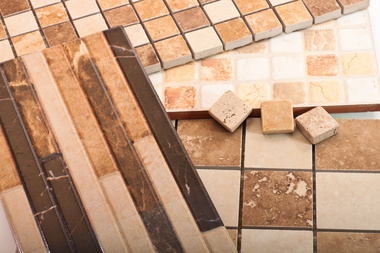
Ceramic tile. This typically comes in squares that are between ½ inch and ¾ inch thick and measure anywhere from 4 inches by 4 inches to 24 inches by 24 inches. When you are choosing ceramic floor tiles, it is important to check on the porosity rating. For a moist environment such as a bathroom, you will want to choose a type of tile that is as minimally porous as possible.

Hardwood. Many people like the warm look of hardwood flooring, and if you have hardwood floors throughout your house, extending them into your bathroom can help create a cohesive look.

Laminate. A type of layered flooring that is resistant to damage and easy to clean, laminate is a popular choice for busy families. This type of flooring is relatively affordable, allowing you to give your bathroom a new, clean look without breaking the bank.

Natural stone. This kind of flooring is usually cut into square tiles. Many varieties come in 12 inch by 12 inch squares, but some manufacturers prefer larger or smaller tiles depending on the type of stone. This material is easy to care for and keep clean, but one important consideration is whether your sub-floor is strong enough to support this heavy building material.

Tip #2: Shop around.
Different vendors might have drastically different prices for similar flooring materials, so make sure you get a few quotes before you make your final purchase.

Tip #3: Measure carefully! 
The last thing you want is to run out of flooring before you finish remodeling your bathroom, so try to make sure you purchase a little bit extra, just in case. This is especially important if you are using stone or ceramic tiles – it is common for a few tiles to crack or break during transport.

Once you have purchased your flooring materials, you will be well on your way to having an up-to-date bathroom floor.

Saturday, August 10, 2019

10 Ways to Save on Utility Bills During the Summer Months

The summer heat is often the culprit behind jumps in electricity costs during the summer months, so do what you can now to conserve energy and avoid additional costs as the weather heats up. If you're looking to cut back on your spending throughout the summer, your utility bills are great places to start when making changes to your everyday life.


Here are 10 ways to save on utility bills during the summer months, adopt an environmentally friendly lifestyle and avoid overspending on household expenses this year.
  1. Switch Off the Lights When You Leave a Room – Turning off the lights when walking out of a room is a great way to curb your energy consumption in the summer.
  2. Use Rain as a Free Water Source – Collecting rainwater in buckets during a storm is an active way to cut down on your water usage while taking care of your yard this season.
  3. Close Your Blinds and Curtains During the Day – Keeping the heat out on bright, sunny days is an effective way to control your energy expenses this summer.
  4. Keep Doors and Vents Shut – Closing off parts of your house where you don't spend much time is a convenient way to limit cooling costs while at home during the summer.
  5. Spend Your Free Time Outside – Going out every day to embrace the warm weather and enjoy the great outdoors is a smart way to use less energy in the summertime.
  6. Find Creative Ways to Cool Down – Drinking ice-cold beverages and taking cool showers are small ways to save money on utilities while making the most of the summer.
  7. Put Wet Clothes Out on a Clothesline – Using the hot summer sun to dry your clothes after washing them is an effortless way to reduce utility bills and spend time outside.
  8. Monitor the Temperature on Your Thermostat – Setting a default number for your air conditioning is a simple way to keep your energy bills from rising when it's hot outside.
  9. Opt for Fans Instead of Air Conditioning – Circulating air throughout your home with fans is an economical way to cool down your living space while using less energy.
  10. Unplug Electronics That Aren't Being Used – Pulling out their cords when you're not using your electronics and chargers is an easy way to limit your energy usage this summer.

These 10 ways to save on utility bills during the summer months will keep you from breaking the bank when the weather gets warmer this year. Whether you're focused on using less water, running your air conditioning on a lower setting or another method, it's possible to cut back on power usage and save money in the process. I hope these tips were helpful.  Please don't hesitate to reach out to me if you or someone you know are thinking about buying or selling a home.

Thursday, August 1, 2019

What Color Should You Paint Your Front Door?

Everyone agrees that curb appeal is essential. Not only do you want to enjoy the look of your own home, it's also the first thing potential homebuyers will see. Since your front door is often exposed to the elements, a fresh coat of paint every few years isn't a bad idea. What color do you choose, and what does your choice say about you? Here are some of the most popular choices.

Bold and Bright
If your homeowner's association allows it, don't be afraid to go bold with your front door color. Some popular colors today include orange, turquoise or teal, or even lime green. There are no limits when it comes to bright and bold.
These door colors are especially great in areas with less sunny weather. If you live in a high-rainfall area, a bright sunny color can give you a smile as you approach your home.


Classic Red
Did you know that there is an amazing history behind the color red on a front door? In some places, it meant that travelers were welcome. For others, like the historic town of Savannah, Georgia, a red door meant the house was owned free and clear with no mortgage. Red paint was more expensive, so if you didn't have a mortgage payment, you could afford it. Whatever it means to you, red is still an inviting color for a front door. It is classic, welcoming and vibrant enough to stand out.


Black or White
If you want something subtler, you can stick with basic black or clean white. Either is fine, especially if the rest of your house is painted in a bolder color like blue or red.
Black will give your front door more depth and can be a great choice for a solid white building, while a white door will stand out well against a darker-colored home. You can even go with an intermediate hue such as a shade of gray.


Rich Brown 
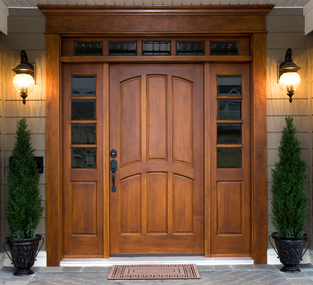
A brown door is most often solid wood. A stained wood door is a great statement, and you can make it any shade, from light to dark, to match your tastes.
Or, if you already have a painted door but want that rich brown look, select a brown that coordinates well with your house color. Browns can have a lot of undertones, so don't be afraid to try something fun.


What color should you paint your door if you're selling your home? Call me today.
 

Monday, July 15, 2019

5 Smart Home Upgrades Worth the Money

Smart technology is more popular today than ever before. Smart assistants, such as Google Home and Amazon Echo, give information on demand, even faster than a regular internet search can. Smart speakers aren't the only way to incorporate smart technology into your home. The "internet of things" is expanding, and there are a few smart upgrades that are affordable and great choices to add value to your home.
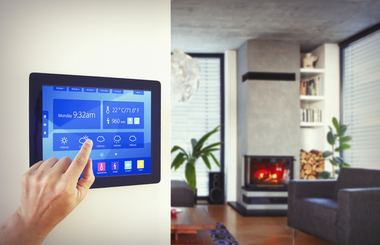
  1. Smart thermostat. We're not sure there is a relationship on the planet in which a couple completely agrees on what temperature to keep the home. A smart thermostat can create, and even anticipate, settings for maximum comfort for all. You can even connect it to your smart speaker and use voice commands to turn the thermostat up or down. A smart thermostat will save money by more efficiently heating and cooling your space.  
  2. Smart smoke detector. Not all smart tech is about saving money — some also saves lives. Smoke detectors aren't just a good idea — they're required. But a smart smoke detector can take your safety to the next level. This type of device can send alerts to your smart phone if an incident occurs while you're away from home so that you can get the help you need faster. 
  3. Smart sprinkler system. Curb appeal is important, and so is the health of your lawn. You spend a lot of time making sure your lawn is watered. An installed sprinkler system is great, but it can cause major problems if it leaks. It can also waste water if it runs unnecessarily, such as when it's raining. A smart sprinkler controller customizes your irrigation system. You can conserve water and save money over time.  
  4. Smart lights and lamps. A completely dark house is a scary place, especially if you have your hands full. It isn't just the monsters lurking in the shadows, it's tripping hazards or other obstacles that could challenge you. With smart lights paired with your Google Home or Amazon Echo, you can turn the lights on with just the sound of your voice. The plug adapters are inexpensive and easy to use. 
  5. Smart front doors. Your car may already have keyless entry, and that tech is also available for your home. A smart door lock means that you don't have to fumble for your keys when you get home. And some systems even allow you to grant access to visitors or family members remotely when you're away from home. Imagine having pet sitters text you when they arrive and being able to unlock the door for them from your phone. 

Monday, July 8, 2019

5 Important Things to Know When Buying Inside an HOA

A homeowners association is an agreement among the homeowners in a community or development that pools their money to take care of common grounds, which can range from pools and spas to just the grass. Homeowners associations can vary in size and involvement depending on the agreed-upon terms.


Here are a few things that are important to understand about HOAs before buying into one.

1. What Is the Cost?

With a typical HOA, there is a cost. The amount can vary greatly depending on the services and amenities provided to the community the HOA represents. It is important to understand what this cost is because it is typically monthly and ongoing for as long as you live in that home, and needs to be considered in your budget along with your monthly mortgage payment. There can also be a one-time buy-in fee that you pay when you close on the house. It is basically equivalent to a gym membership joining fee.

2. What Is Covered?

If you are going to pay a monthly fee, it is important to understand what is covered by that fee so you can evaluate the value of the HOA. At the bare minimum, upkeep of the common areas is covered, and services can also include snow removal, landscaping and grass-cutting for your property. This is one of the attractive things about HOAs — you typically do not have too much outside maintenance on your property. There should be a handbook or guide explaining what is covered by the HOA.

3. What Are the Rules?

As mentioned previously, there is typically a handbook developed by the HOA that covers all rules and regulations for the community. This can dictate facilities hours or who can use the facilities. It also can tell you the rules regarding having guests, or specific times to place trash out. The important part of understanding the rules is making sure that they do not interfere with gatherings you are looking to have or hobbies you may do.

4. Are You Happy With the Way the House Looks?

There is a reason why the majority of houses in the community look the same and utilize the same color schemes — the HOA dictates those things. Make sure you like the color of the house's trim, or be sure to understand what other colors are allowed. All this information should be included in the handbook.

5. Can You Get Involved?

Many times, the HOA has some type of board that facilitates communication among homeowners and makes decisions based on requests or complaints from residents. If you are interested in getting on the board, it is something to ask about. You may want to get involved just by voting on any changes.